
Guides
Beginner-first guides for Be A Voice Actor: how a round flows, what the lobby listens for, warm-up routines and the mistakes that keep new players at the bottom of the scoreboard.
Introduction
Be A Voice Actor throws you straight into a microphone round with almost no tutorial, which is why most first lobbies end with a near-zero score. This hub collects the beginner-first material: how a full round actually plays out, what the lobby is listening for when they score you, the warm-up routine that turns a cold voice into a usable one, and the specific habits that keep new players pinned to the bottom of the scoreboard. Work through these in order and you will stop guessing at the clip and start hearing it. If you only read one page here, read the beginner guide first — it gives the rest of this hub its context.
Beginner Checklist
| Step | What To Do | Why It Matters | Status |
|---|---|---|---|
| 1 | Confirm voice chat is active before joining a lobby | The game will not let you compete without a working microphone | Required |
| 2 | Warm your voice up for two minutes | Cartoon voices and musical phrases need range you do not have cold | Do First |
| 3 | Listen for pitch, length and rhythm before speaking | Contour matching is what the score actually rewards | Core |
| 4 | Finish the session instead of leaving early | Session totals reward consistency over a single lucky round | High Value |
Beginner Steps
Warm Up Before You Queue
Two minutes of humming up and down your range changes the outcome of an entire session. Most failed attempts are not bad impressions but cold voices failing to reach a pitch they could hit easily after warming up, so treat this as preparation rather than an optional extra.
Classify The Clip
Identify which family the clip belongs to before you speak, because that classification picks your technique for you. Mouth shape for an animal call, pitch range for a cartoon voice, steady airflow for a machine noise. Skipping this step produces attempts that belong to no family at all.
Attempt Everything
Skipping a round loses it outright, while a rough attempt that matches the length and general shape usually scores something. Over a full session, simply attempting every clip is worth more than any single technique improvement you can make, and it costs you nothing but a little dignity.
Finish The Session
Session totals decide who wins the lobby, so a steady run of mid-range scores beats one brilliant round followed by misses. Leaving early throws away the accumulated total you have already built. Progress and gems save automatically, so there is no reason to abandon a session midway.
Core Mechanics
A round begins when a short audio clip plays through the lobby speakers. Every player then takes a turn recreating it into their microphone, and each attempt is scored against the original. What separates the guidance here from generic advice is the emphasis on listening before speaking: pitch movement, clip length and rhythm carry far more weight than volume. Lobbies cap at seven players, so turns come round quickly and you get many attempts per session. Progress, gems and ratings save automatically, which means you can treat each session as practice without losing ground between visits. Working through the family list after each session is the fastest way to turn that feedback into an actual plan.
Advantages
The biggest advantage in this game is simply preparation. A player who has warmed up, checked their microphone level and knows the shape of the clip before their turn will beat a louder player who reacts cold. Because scoring rewards matching the contour of the sound rather than shouting it, a quiet, accurate attempt is a genuinely viable winning strategy. Short lobbies also mean short feedback loops: you see your score immediately, so you can adjust round by round instead of waiting a whole session to find out what works. Nothing here is gated behind a purchase. Because rounds are short, you can test a technique change within a single sitting and see the effect immediately.
Challenges
The learning curve is real. Judging is subjective by design, so the same attempt can score differently between lobbies, and there is no public scoring formula to reverse-engineer. That makes early progress feel noisy and encourages players to blame the game rather than their technique. Voice chat is also a hard requirement, which locks out anyone who cannot verify their account or is playing on an unsupported device. Finally, the experience is young and the sound roster is still growing, so specific clip advice ages quickly and should be re-checked after each update. Where a mechanic has not been documented officially, we say so explicitly rather than inventing a number to fill the gap.
Frequently Asked Questions
Is Be A Voice Actor hard for beginners?+
Can you play Be A Voice Actor without a microphone?+
How long does a Be A Voice Actor session take?+
Quick Tips
Before your first round, spend two minutes humming up and down your range. Most bad attempts are not bad impressions, they are cold voices failing to reach a pitch they could hit easily after a warm-up. Humming also forces you to listen to yourself, which is the same skill the game scores.
Listen to the whole clip before you plan your attempt. Beginners start building their imitation halfway through and then run out of clip, which reads as a missed ending. The last beat is often the most recognisable part, and finishing cleanly is worth more than a strong opening. Give the clip your full attention first, then speak.
Play three sessions without chasing a win and write down the families you lose points on. Almost everyone has one family that consistently beats them. Drilling that one family for a week will improve your average far more than replaying the clips you already land naturally. Keep the notes short and specific.
Featured
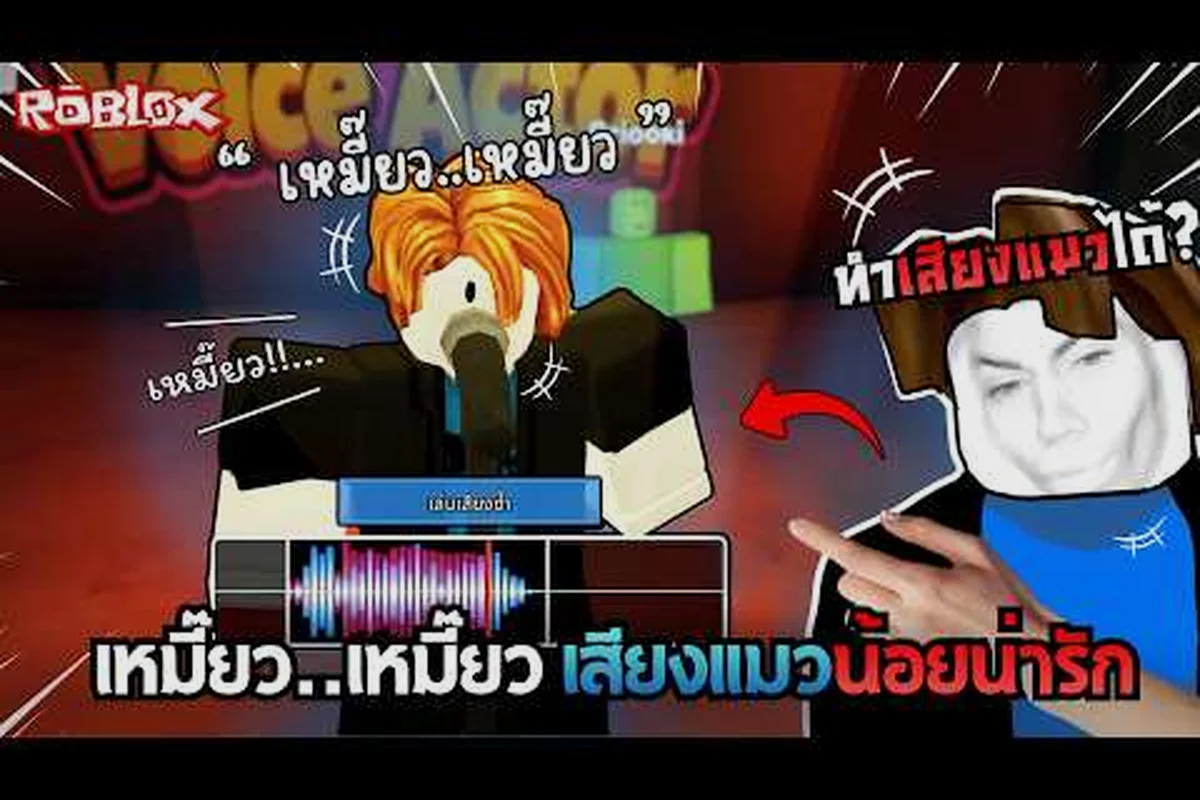
Be A Voice Actor Beginner Guide to Stage Basics
This be a voice actor beginner guide walks you through voice verification, your first scoring round, and the lobby flow from clip playback to the final vote.
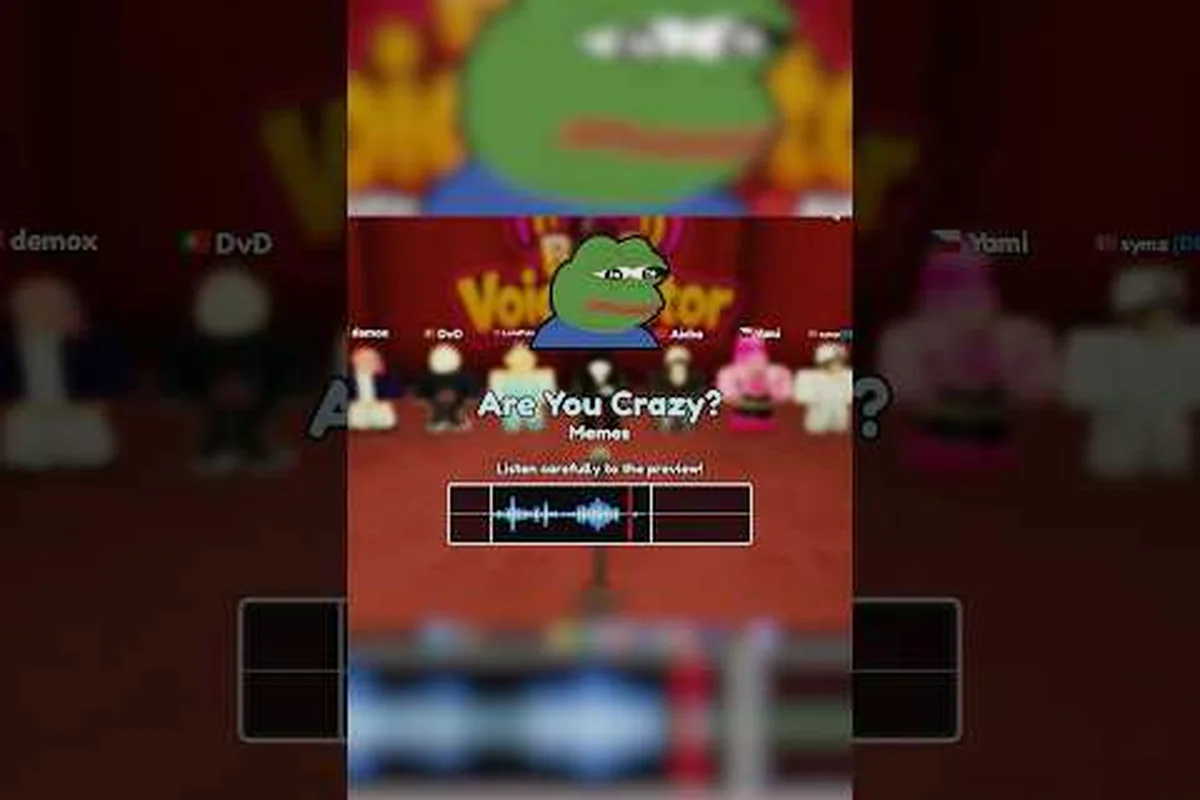
Be A Voice Actor Beginner Tips for Reading a Lobby
Use these be a voice actor beginner tips to read the room, copy sounds convincingly, and stop the mistakes that cost you votes in your first few matches.
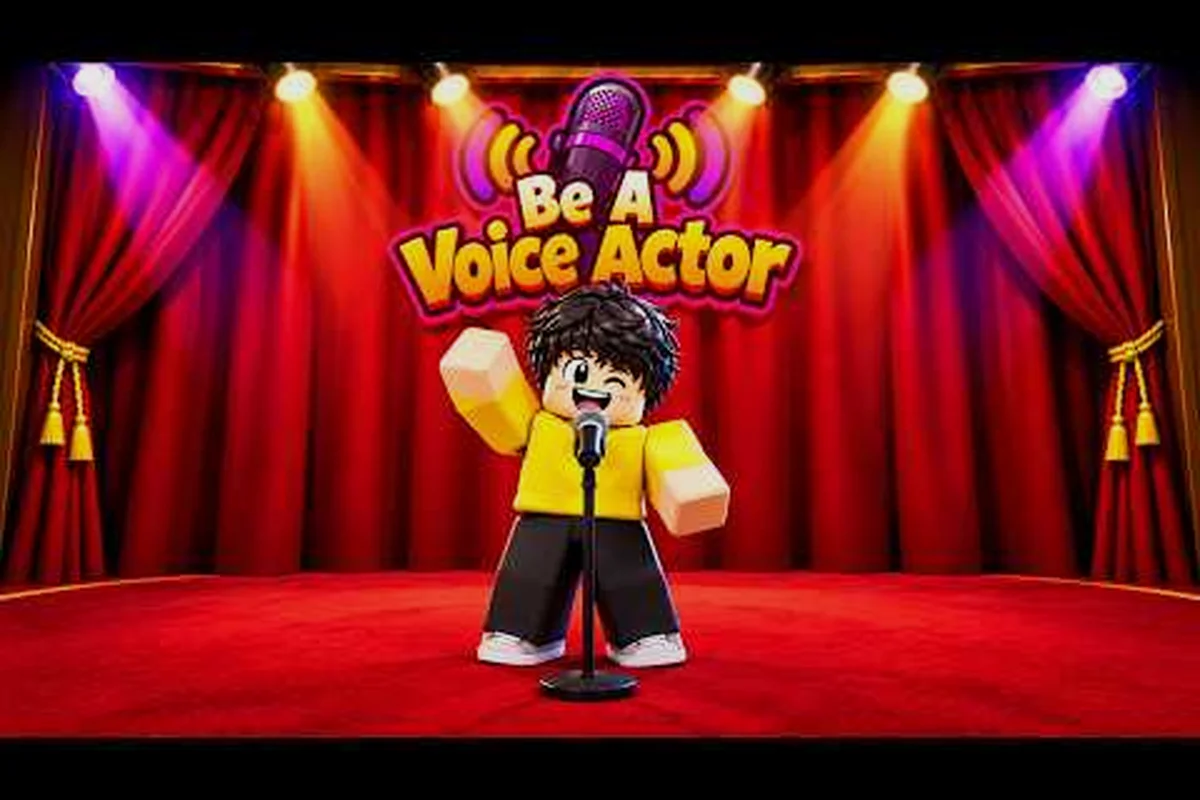
Be A Voice Actor Best Headset Picks for Clear Audio
Compare be a voice actor best headset picks for clean voice chat audio, then apply round strategy and lobby tips so you sound funnier to the players voting.
All Articles
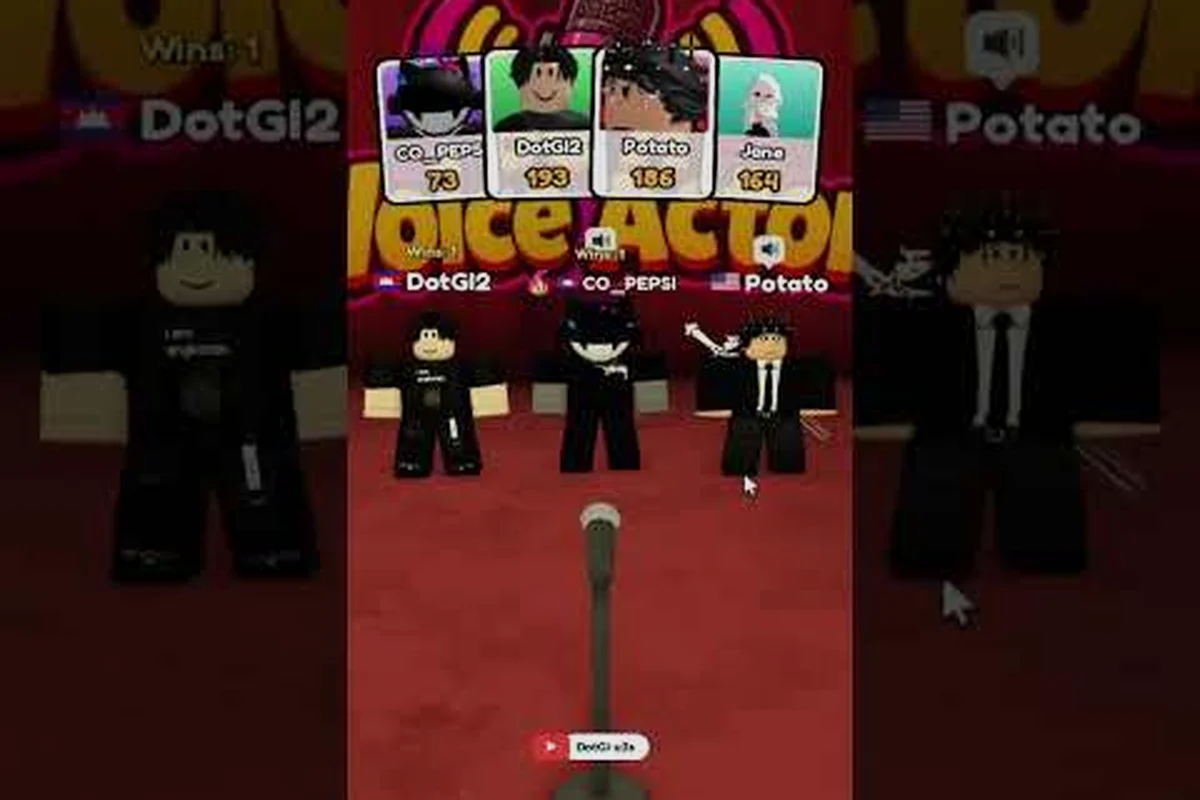
Be A Voice Actor Guide to Core Tips and Tricks
Read this be a voice actor guide for core tips, tricks and a round-by-round walkthrough that gets you competing confidently in Roblox voice chat lobbies.
Be A Voice Actor Is It Worth Playing in 2026?
Decide if be a voice actor is it worth playing using 1.5 million visits, 29,540 favourites and a 98.3% like ratio, plus how a scoring round actually runs.
Be A Voice Actor Improvement Guide for Better Takes
Build a be a voice actor improvement guide from daily warm-ups, microphone checks and short practice routines that sharpen timing and delivery in every round.
Be A Voice Actor Latency Fix for Voice Chat Lag
Apply a be a voice actor latency fix for voice chat lag on mobile and console, then handle platform verification so your audio stops cutting out mid-round.
Be A Voice Actor Review With Live Stats for 2026
This be a voice actor review covers 1,537,018 visits, 1,709 live players and a 98.3% like ratio, plus the verification rules that decide who can compete.
Be A Voice Actor Solo Tips for Playing Without Friends
Learn Be A Voice Actor solo tips for thriving in public lobbies, avoiding common mistakes, and using private servers to practice when your friends are not online.
Be A Voice Actor Tutorial for Your Opening Session
Follow this be a voice actor tutorial before queueing: verify voice chat, read the lobby lineup, and see how one scoring round plays out from sound clip to vote.