Competing in Be A Voice Actor on Roblox means stepping onto a red stage with six other players and imitating sounds into your microphone for points. This guide breaks down the core loop, scoring quirks and round-by-round tactics so you stop guessing and start placing higher in every lobby. The official listing confirms Voice Chat is mandatory, so verifying your Roblox account before queuing is the first real gate to entry.
A Round-by-Round Tour of a Match
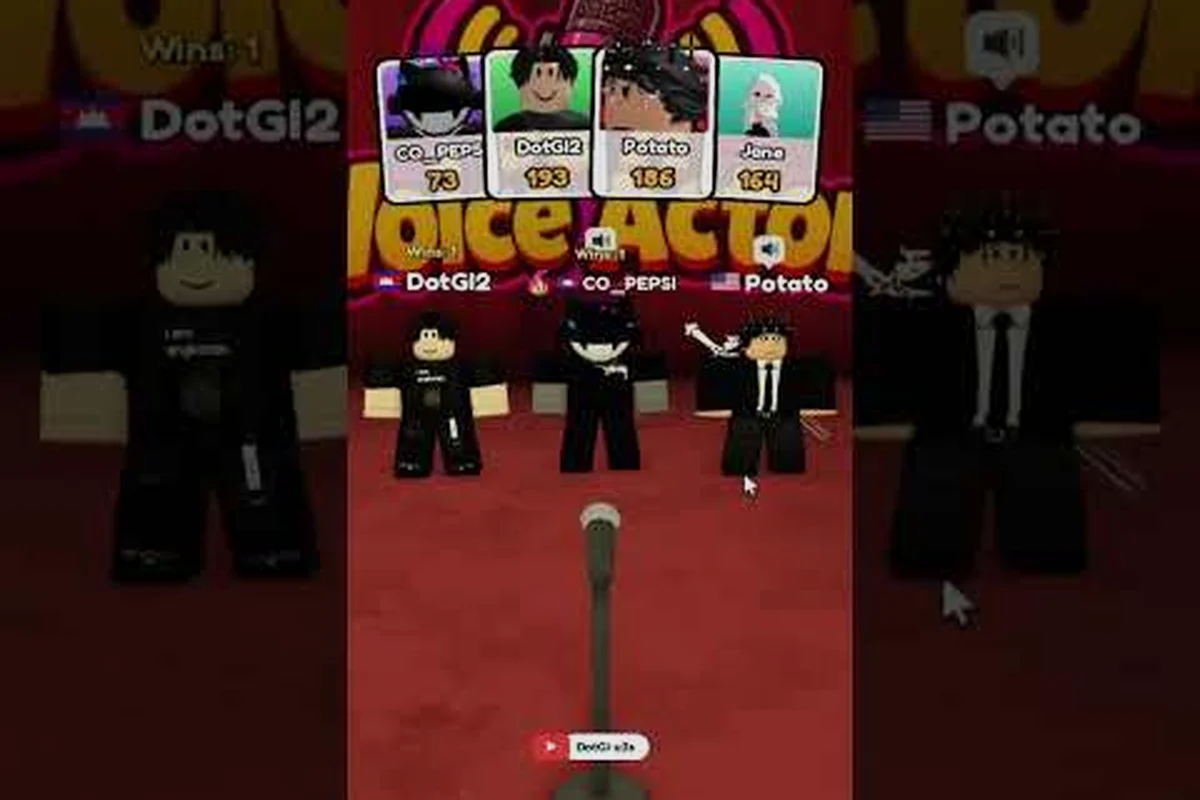
Every match in Be A Voice Actor follows a tight rotation that rewards quick recognition over perfect vocal control. The stage layout, visible in community gameplay recordings, places a row of players behind a central microphone prop while a clip plays for everyone to hear. After the clip ends, each player gets a turn to reproduce the sound, and the system assigns a score based on how closely the input matches the reference.
The scoring loop is intentionally simple, but the margin between first and fourth place often comes down to preparation rather than raw talent. Players who treat each round as a fresh attempt, rather than carrying frustration from a previous miss, consistently report better results across full sessions. Because the server cap sits at seven players, every lobby feels personal and every round carries visible weight on the scoreboard.
Round Structure and Timing
A standard match runs through multiple rounds with no loading screens between sound prompts. The clip plays once, then the microphone opens for each player in sequence, and the scoreboard updates after every attempt. Understanding this rhythm helps you stay mentally ready instead of getting caught off guard when your turn arrives.
| Round Phase | What Happens | Player Action |
|---|---|---|
| Clip Playback | Reference sound plays to all players | Listen for pitch, length and rhythm |
| Mic Open | Your turn to speak into the mic | Reproduce the sound immediately |
| Scoring | System compares input to reference | Watch your score update in real time |
| Rotation | Next player takes the mic | Stay quiet and observe others |
The most common mistake new players make is waiting too long after the clip ends. The microphone opens quickly, and hesitation costs valuable seconds that could be spent adjusting your delivery. Treat the clip playback as your only rehearsal window, because there is no second listen before your attempt.
Setting Up Your Voice and Microphone
Your hardware and vocal preparation matter more than most players expect. A muddy microphone or an overdriven input level can tank your score even when your imitation is accurate, because the scoring system compares what it hears against the reference clip. Taking five minutes to dial in your setup before queuing removes a variable you cannot fix mid-round.
The beginner guide for Be A Voice Actor covers first-time setup in detail, but the core principle is simple: your mic should capture your voice cleanly without clipping or background noise. Roblox voice chat applies its own processing, so a slightly dry input often scores better than one drenched in room echo.
Microphone Positioning and Levels
Distance from the microphone changes how your voice registers, especially for sounds that rely on breath or high-frequency detail. Keeping a consistent position between attempts helps the scoring system recognize your input as intentional rather than random variation.
| Mic Distance | Effect on Scoring | Best Use Case |
|---|---|---|
| 2-4 inches | Full body, strong low end | Animal sounds, deep tones |
| 6-10 inches | Balanced, natural tone | Speaking lines, mid-range sounds |
| 12+ inches | Thin, roomy, less detail | Avoid unless the clip is quiet |
Community testing suggests that players who maintain a stable mic position across all rounds score more consistently than those who shift around. The scoring algorithm appears to reward repeatability, which means your setup should feel comfortable enough to hold for an entire match without adjustment.
Round-by-Round Walkthrough
This be a voice actor walkthrough follows a typical match from first sound to final scoreboard. Each round type demands a slightly different approach, and knowing what to expect removes the panic that causes rushed, low-quality attempts. The clips rotate through a variety of categories, so flexibility beats specialization.
Early Rounds: Simple Sounds and Warm-Up
The first few rounds usually feature shorter, more recognizable sounds that help everyone settle into the flow. These are your best opportunities to bank points before the difficulty ramps up. Focus on matching the length of the clip exactly, because early sounds often have a clear start and stop that the system measures precisely.
Players who treat early rounds as throwaway warm-ups lose ground they cannot recover later. A strong first-round score builds confidence and puts pressure on the rest of the lobby, while a weak start forces you to chase points against increasingly difficult clips. The scoreboard does not reset between rounds, so every attempt counts toward your final placement.
Mid-Game: Layered and Rhythmic Sounds
As the match progresses, clips become longer and often include multiple syllables or rhythmic patterns. Breaking these sounds into smaller chunks helps you reproduce them accurately. Listen for the stressed syllable or the loudest moment in the clip, then build your imitation around that anchor point.
Rhythmic accuracy matters more than pitch for many mid-game sounds. If the clip has a clear beat or pulse, tapping your foot or nodding along during playback helps your body internalize the timing. When your turn arrives, let that physical rhythm guide your delivery instead of trying to reconstruct the sound from memory alone.
Late Rounds: High-Pressure Attempts
The final rounds decide the winner, and the pressure is real. Players who have banked solid scores can afford to take calculated risks, while those trailing need near-perfect attempts to climb. The key is staying relaxed, because tension tightens your vocal cords and changes your pitch in ways the scoring system notices.
| Late-Round Situation | Recommended Approach | Why It Works |
|---|---|---|
| Leading by a small margin | Play safe, match length exactly | Protects your position |
| Trailing significantly | Attempt a bolder, fuller sound | Higher ceiling if it lands |
| Tied for first | Focus on clarity over volume | Clean input scores better |
| Mid-pack, no pressure | Experiment with new techniques | Low risk, builds skill |
The solo practice tips article explains how to drill these late-round scenarios outside of live matches, which is useful because the pressure of a real lobby is hard to simulate. Building muscle memory for common sound categories means you can execute under stress without overthinking.
Scoring Mechanics and What Actually Matters
The scoring system in Be A Voice Actor compares your microphone input against the reference clip using several factors. Understanding which factors carry the most weight helps you prioritize your effort during each attempt. Players who focus on the wrong element waste rounds chasing points that never materialize.
Pitch, Length and Clarity
Three core dimensions drive most scores: pitch accuracy, length matching and input clarity. Pitch measures how closely your vocal tone matches the reference frequency. Length checks whether you held the sound for the right duration. Clarity evaluates how clean your input registered without distortion or background interference.
| Scoring Factor | Weight | How to Improve |
|---|---|---|
| Pitch Accuracy | High | Warm up your voice before queuing |
| Length Matching | High | Count beats during clip playback |
| Input Clarity | Medium | Position mic consistently, reduce noise |
| Volume Consistency | Medium | Avoid sudden spikes or dropouts |
| Timing Precision | Low | Start speaking the moment the mic opens |
Community data suggests that length matching is the most underrated factor for new players. Many people nail the pitch but cut the sound short or drag it too long, losing points they assumed were safe. Counting the beats or syllables during playback gives you a concrete target to hit when your turn arrives.
Why Consistency Beats Flashy Imitations
A flashy imitation that scores 90 on one round and 40 on the next averages lower than a steady 70 across all rounds. The scoreboard rewards players who deliver repeatable, accurate attempts rather than those who gamble on occasional brilliance. This is why the best competitors develop a small toolkit of reliable techniques instead of trying to reinvent every sound.
Building that toolkit takes time, which is why the improvement guide for voice training recommends a structured practice routine. The more sounds you have internalized, the faster you can recognize a clip and produce a matching response without conscious effort.
Advanced Tricks for Competitive Lobbies
Once you have the basics down, a few advanced tricks separate consistent winners from the rest of the lobby. These techniques require practice but pay off in tighter matches where every point matters. The best part is that most of them cost nothing and can be drilled in any private server or solo session.
Pre-Round Vocal Warm-Ups
Your voice performs better when it is warm, especially for sounds that require range or sustained pitch. A quick warm-up before queuing loosens your vocal cords and improves your pitch control from the very first round. Simple humming, lip trills and gentle scales take less than two minutes and make a measurable difference.
Players who skip warm-ups often struggle in early rounds while their voice finds its range. By the time they settle in, the lobby has already banked points against them. Treat your warm-up as part of the match, not an optional extra, and you will start every session at full capacity.
Reading the Lobby and Adapting
Every lobby has a different dynamic, and reading it gives you a strategic edge. Some players dominate certain sound categories while struggling with others. Observing the first few rounds reveals patterns you can exploit, such as a rival who always rushes their attempts or one who overdoes the volume.
Adapting your strategy mid-match is a core be a voice actor trick that many players overlook. If the lobby rewards bold, full sounds, match that energy. If clean, precise inputs are scoring higher, dial back your volume and focus on clarity. Flexibility beats a rigid approach because the scoring system responds to the same input differently depending on the clip.
| Lobby Signal | What It Means | Your Adjustment |
|---|---|---|
| High scores on loud sounds | Volume is being rewarded | Push more air, project |
| High scores on quiet sounds | Clarity matters more | Pull back, articulate |
| Wide score gaps | System is strict | Prioritize accuracy |
| Tight score clusters | System is forgiving | Take calculated risks |
Managing Pressure and Tilt
Tilt is real in Be A Voice Actor, especially when a close round goes against you. A missed attempt can spiral into frustration that ruins the next two rounds. The best players develop a reset routine, something simple like a deep breath and a mental note to focus only on the current clip.
Because the match moves quickly, there is no time to dwell on mistakes. The next round starts almost immediately, and carrying negative energy into it guarantees another poor attempt. A short reset between rounds keeps your mind clear and your voice relaxed, which the scoring system rewards.
Frequently Asked Questions
Do I need voice chat enabled to play Be A Voice Actor?
Yes. The official Roblox listing states that Voice Chat is required to compete, so any player who has not completed platform voice verification cannot participate in scoring rounds. Verify your account through Roblox settings before queuing to avoid being locked out of the core gameplay loop.
How many players are in each Be A Voice Actor lobby?
Each server holds a maximum of seven players, which keeps rounds fast and personal. The small lobby size means every attempt is visible on the scoreboard, and the rotation moves quickly enough that you never wait long between turns. This tight format rewards consistency over grinding.
What is the best way to improve my scores quickly?
Focus on length matching first, because it is the most underrated scoring factor for new players. Count the beats or syllables during clip playback, then reproduce that exact duration when your turn arrives. Pair this with a consistent microphone position and a quick vocal warm-up before queuing.
Can I practice Be A Voice Actor alone?
Yes, and solo practice is one of the most effective ways to build your sound toolkit. The solo tips guide covers private server options and common mistakes to avoid. Drilling common sound categories outside of live matches builds muscle memory that holds up under lobby pressure.
Does the game save my progress automatically?
Yes. According to the the official Roblox listing for Be A Voice Actor, progress, Gems and scores are saved automatically between sessions, so nothing is lost when you leave a lobby. This means you can focus entirely on improving your performance without worrying about manual saves or checkpoint systems.