
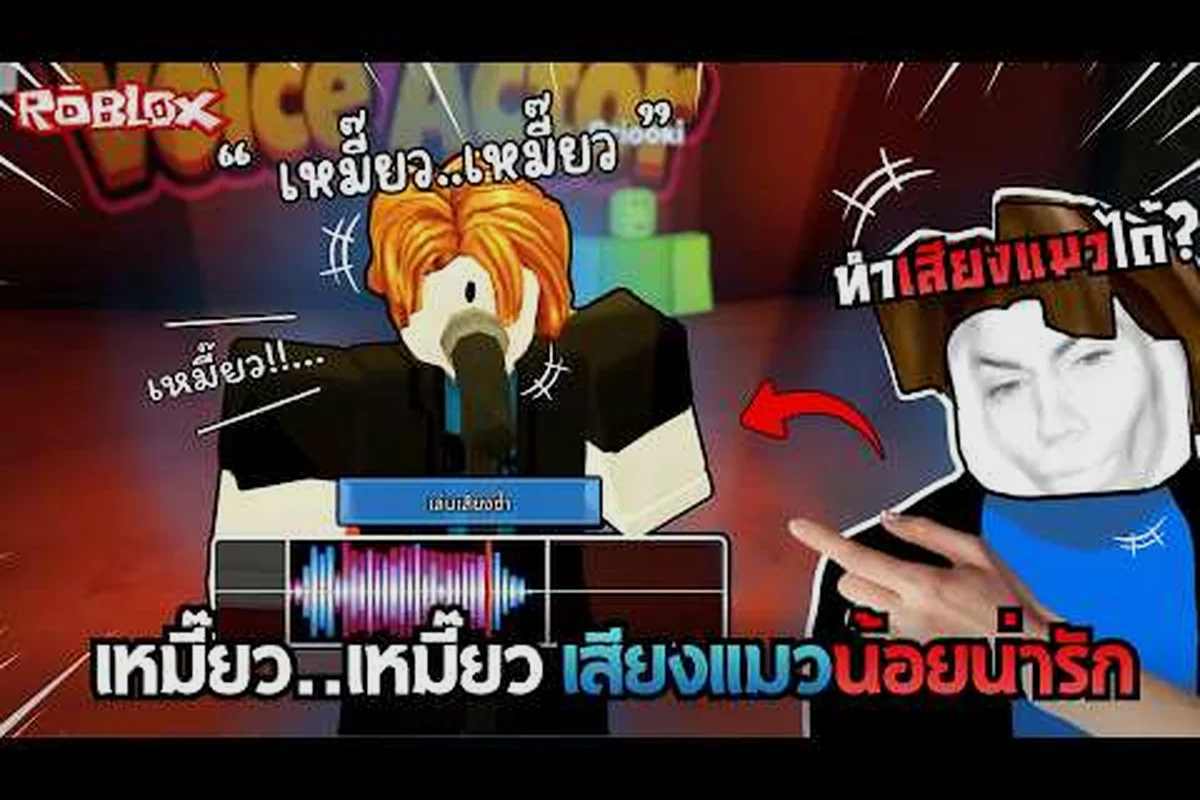
Most players step onto the red stage in Be A Voice Actor thinking the loudest impression wins the round, but the actual be a voice actor winning strategy runs much deeper than volume or comedic timing. The scoring loop listens to a clip, copies it into the microphone, and then gets evaluated by other players in the lobby, which means your score depends on how the voting system reads your accuracy rather than how funny you think you sounded. Understanding that distinction is the fastest way to stop losing rounds you thought you had locked.
How the Voting System Actually Decides Your Score
The be a voice actor voting system is not a hidden algorithm running on the server; it is a player-driven judgment loop that happens after every playback. When a round ends, the game replays each submitted clip to the lobby, and the other six players in the maximum seven-player server decide how close your take landed to the original prompt. That means the be a voice actor how are you judged question has a simple answer: you are judged by the people in your lobby, not by a waveform comparison or an automated pitch detector.
Community gameplay recordings from the community footage from Enki Army show the full flow clearly. A row of players lines up on the red stage, the microphone prop sits in the center, and the game plays back each clip round by round before the scoreboard appears. What the recording makes obvious is that players vote quickly and instinctively, which means first impressions during the playback window carry disproportionate weight.
The gap between Play A Game and Win A Game badge counts tells the same story from the data side. According to the official Be A Voice Actor group page, roughly 331,430 players have finished a match while only 141,314 have won one. That is about a 43% conversion rate from finishing to winning, which suggests the voting system rewards a specific set of habits rather than raw participation.
What Voters Actually Reward During Playback
Your clip gets evaluated in a very short window, so the be a voice actor judging accuracy question comes down to what the lobby can process in a few seconds. Voters are not doing forensic audio analysis; they are comparing your take against the prompt they just heard and asking one mental question: does this sound like the thing we were asked to copy?
| Voting Factor | What It Means | How Voters Read It |
|---|---|---|
| Prompt Match | How close your clip is to the original sound | Immediate recognition, no explanation needed |
| Clarity | Whether your mic captures clean audio | Muffled or clipped audio reads as a miss |
| Timing | Whether you start and stop at the right moment | Late starts or cut-off endings feel sloppy |
| Energy | Whether you commit to the take | Half-hearted reads get skipped by voters |
| Uniqueness | Whether your take stands out in the lineup | A memorable clip gets the benefit of the doubt |
The Prompt Match factor dominates everything else because voters default to the simplest comparison available. If the prompt asks for a specific accent, a specific emotion, or a specific character voice, the clips that hit that mark first are the ones that collect votes. Clarity and timing matter because they make the prompt match easier to hear, while energy and uniqueness act as tiebreakers when two clips are close.
How Score Calculation Works Behind the Votes
The be a voice actor score calculation process starts with the votes but does not end there. Each round tallies how many players selected your clip as the best match, and that tally converts into a session score that accumulates across the match. The scoreboard at the end of the session shows the final ranking, but the round-by-round totals are what determine whether you finish first or fourth.
The official listing data confirms that progress, gems, and scores save automatically between sessions, which means your be a voice actor score calculation carries forward even if you leave and come back later. That persistence changes the incentive structure: a single strong round does not win the match, but a consistent run of above-average rounds compounds into a top finish. Players who understand this stop swinging for one viral moment and start building a repeatable process.
The Round Score to Session Score Pipeline
Each round produces a small score increment, and those increments stack into the session total. The exact numeric formula is not published by the developer, but community testing and the badge distribution data point to a simple structure: vote share per round, normalized across the lobby, then summed across all rounds in the session.
| Score Layer | What It Tracks | Why It Matters |
|---|---|---|
| Round Vote Share | Percentage of lobby votes your clip receives | Determines your placement within a single round |
| Round Placement | Whether you finish top, middle, or bottom | Higher placement feeds more points into the session total |
| Session Total | Sum of all round placements | Decides the final scoreboard ranking |
| Ace! Trigger | A perfect or near-perfect round performance | Unlocks the Ace! badge at 133,226 awards and counting |
The Ace! Trigger is the clearest signal that perfect rounds exist as a distinct category. With 133,226 Ace! badges awarded against 141,314 Win A Game badges, the data suggests that most winning sessions include at least one standout round. The full breakdown of how to hit that perfect round is covered in the Ace badge guide, but the short version is that a clean prompt match with strong clarity and committed energy puts you in contention.
Consistency Tips That Compound Into Wins
The most reliable be a voice actor consistency tips are not about being the funniest person in the lobby; they are about removing the variables that cause voters to skip your clip. A consistent player wins more rounds over a session because they never produce a clip that is actively bad, even if they rarely produce the single best clip of the night.
The first consistency lever is microphone discipline. The game depends entirely on voice input, so a player with a clear microphone and a quiet room has a structural advantage over someone fighting background noise. The best headset guide breaks down the hardware side in detail, but the core habit is simple: test your input before the first round, keep your mouth a consistent distance from the mic, and avoid clipping by speaking at a steady volume.
Building a Repeatable Round Routine
A repeatable routine removes decision fatigue and keeps your energy stable across rounds. The players who finish at the top of the scoreboard consistently are the ones who treat every round the same way, regardless of whether the prompt is easy or awkward.
-
Listen to the full prompt before reacting — players who start planning their take halfway through the prompt miss key details about tone, pacing, or accent that voters will notice.
-
Match the emotional register first, then the words — voters respond to the feeling of a clip before they analyze the technical accuracy, so lock in the emotion before you worry about perfect diction.
-
Commit fully to the take — a half-committed impression reads as uncertainty, and uncertain clips lose votes to players who went all in even when their take was less technically precise.
-
Keep your clip tight — long rambling takes lose voter attention, while a clean start and a clean finish make the prompt match obvious.
-
Watch the playback window — if the game shows your clip back to the lobby, use that moment to gauge reactions and adjust your next round.
These habits work because they reduce the variance in your output. A player who follows the same routine every round will land in the top half of the vote more often than a player who swings wildly between brilliant and terrible takes, and that consistency is what the be a voice actor score boost ultimately rewards.
Score Boost Tactics for the Lobby Meta
The be a voice actor score boost is not a cheat or an exploit; it is a set of tactical choices that increase your vote share within the specific lobby you are playing. Because the voting system is player-driven, the meta shifts slightly from lobby to lobby, but several tactics hold up across most sessions.
The first tactic is reading the room before the first round ends. The first playback window tells you what the lobby values: if voters reward accurate impressions over funny ones, you lean into accuracy. If they reward comedic takes over faithful copies, you adjust your energy and delivery. This is not about pandering; it is about understanding that the be a voice actor voting system is a social game as much as a performance game.
Lobby-Specific Adjustments That Raise Vote Share
| Lobby Type | What Voters Reward | Your Adjustment |
|---|---|---|
| Accuracy-Focused | Faithful prompt matches, clean delivery | Prioritize clarity and precise mimicry |
| Comedy-Focused | Big swings, unexpected takes | Add energy and risk, but keep the prompt recognizable |
| Mixed | A balance of accuracy and personality | Match the prompt first, then add one unique twist |
| Low-Energy | Any clip with commitment | Bring more energy than the room average |
The Low-Energy lobby is the easiest place to farm a be a voice actor score boost because the bar is so low. When most players are delivering flat, hesitant takes, a single committed clip stands out immediately and collects votes from players who are just happy to hear someone try. The opposite is true in a Comedy-Focused lobby, where the bar for standing out is much higher and you need a genuinely fresh angle to break through.
Why Judging Accuracy Favors the Prepared Player
The be a voice actor judging accuracy dynamic rewards preparation more than raw talent because voters make snap decisions based on limited information. A prepared player understands what the prompt is asking for, has a clear idea of how to deliver it, and executes without hesitation. An unprepared player hesitates, second-guesses the take, and produces a clip that sounds uncertain even when the underlying impression is solid.
The official stats page shows the game has a 98.3% approval rating with 14,698 likes against only 260 dislikes, which means the player base is overwhelmingly positive about the core loop. That positivity translates into a voting environment where players want to reward good clips rather than punish bad ones. The players who win consistently are the ones who make it easy for voters to reward them by delivering clear, committed, prompt-accurate takes every single round.
The Prepared Player Checklist
Preparation in Be A Voice Actor is not about memorizing prompts; it is about having a mental framework for any prompt the game throws at you. The players who finish at the top of the scoreboard have internalized a simple decision tree that they run through in the seconds before each take.
-
Identify the prompt category — is it an accent, an emotion, a character, or a sound effect? Each category has a different success pattern.
-
Lock the emotional core — what feeling does the prompt convey? That feeling is the first thing voters hear.
-
Choose your energy level — match the prompt's energy or deliberately exceed it, but never undershoot it.
-
Set your start and end points — know exactly when you will start speaking and when you will stop before you open your mouth.
-
Trust the first take — overthinking produces hesitation, and hesitation is audible.
This framework works because it front-loads the decision-making into the pre-take window, leaving the actual performance free to be spontaneous and committed. The players who struggle are the ones who try to make all their decisions while they are already speaking, which produces the exact hesitation that voters punish.
Frequently Asked Questions
How are you judged in Be A Voice Actor?
You are judged by the other players in your lobby, not by an automated system. After each round, the game plays back every submitted clip, and the other six players in the seven-player server vote on which takes best match the prompt. Your vote share determines your round placement.
What is the fastest way to boost my score?
The fastest be a voice actor score boost comes from consistency, not flashy one-off takes. Players who follow a repeatable routine — clear mic, prompt match first, committed energy, tight timing — land in the top half of the vote more often, and those round placements compound into a higher session total.
Does the voting system reward accuracy or comedy?
It depends on the lobby. Some lobbies reward faithful prompt matches, while others reward comedic takes that still keep the prompt recognizable. The best approach is to read the room during the first playback window and adjust your delivery to match what voters in that specific session are rewarding.
How does score calculation work across a session?
Each round tallies your vote share and converts it into a placement, then those placements stack into a session total that determines the final scoreboard ranking. Scores save automatically between sessions, so your accumulated progress carries forward even if you leave and return later.
Why do I keep losing rounds I thought I won?
Most players lose rounds because their clip does not match the prompt clearly enough for voters to recognize it in the short playback window. A funny take that drifts too far from the original prompt loses to a simpler take that voters can immediately connect to what they were asked to copy.