Musical rounds in Be A Voice Actor separate casual imitators from players who understand rhythm, pitch, and timing. When the clip plays a short melody, a commercial jingle, or a beatboxing pattern, voters reward performers who match not just the sound but the musical structure behind it. This guide breaks down how to practice be a voice actor musical sounds across seven distinct categories—jingles, scary tones, loud bursts, quiet whispers, short stings, long sustained notes, and everything in between—so you can enter any round with a clear performance plan instead of improvising under pressure.
Why Musical Sounds Score Differently Than Spoken Lines
Spoken impressions rely on word accuracy and vocal tone, but musical clips add a second scoring layer: rhythmic precision. When a jingle plays, voters subconsciously check whether your timing lines up with the original beat, which means a perfectly pitched note delivered half a second late can lose to a slightly off-key note that lands exactly on the downbeat. The official Be A Voice Actor game page confirms that voice chat is mandatory for every scoring round, so microphone quality and room acoustics directly affect how clearly your musical imitation reaches the lobby.
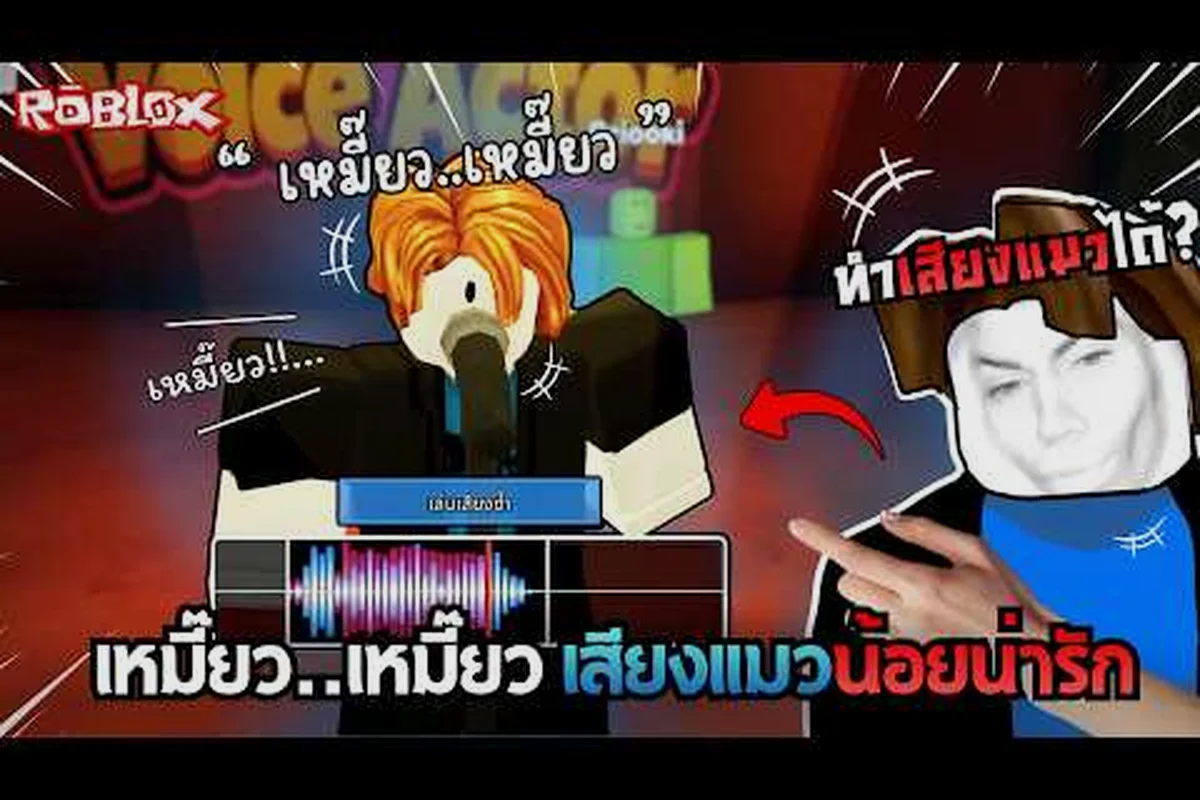
Community gameplay recordings, including the most-viewed English upload from Enki Army on YouTube, show the same round flow for musical clips as for spoken ones: the clip plays once, each of the seven players imitates in turn, and the lobby waits for scores before the next prompt appears. Because the server cap is hard-locked at 7 players, you will face at most six competitors per round, which means a distinctive musical take can stand out more easily than in larger lobbies.
The key difference comes down to sustained control. Spoken lines let you pause, reset, and recover mid-phrase, while a held musical note exposes every wobble in your breath support. Players who practice long tones daily report that their jingle accuracy improves within a week, because the same diaphragm control that stabilizes a five-second hum also keeps a fast jingle from drifting sharp or flat.
How Voters Judge Musical Clips
Voter behavior in musical rounds follows a predictable pattern based on community reports. Most voters make their decision within the first two seconds of your performance, which means your opening note or first beat carries disproportionate weight. The table below summarizes the four scoring dimensions that matter most when the prompt is musical rather than spoken.
| Scoring Dimension | What Voters Listen For | Common Failure Mode |
|---|---|---|
| Pitch Accuracy | Matching the melody's high and low points | Drifting flat on sustained notes |
| Rhythmic Timing | Landing notes on the original beat | Rushing fast jingles or dragging slow ones |
| Tonal Quality | Matching the instrument or voice character | Using a plain speaking voice for a sung clip |
| Dynamic Range | Matching volume swells and drops | Keeping one flat volume throughout |
Each dimension compounds the others, so a performance that nails pitch but ignores dynamics will still read as "close but not quite" to voters. The most reliable way to improve is to record yourself practicing, then compare your take against the original clip at half speed before attempting full tempo.
Jingle Sounds: The Highest-Variance Musical Category
Be a voice actor jingle sounds appear frequently in rotation because they are short, recognizable, and easy for voters to judge quickly. A jingle typically lasts three to eight seconds and contains a hook phrase, a melodic contour, or a rhythmic tag that sticks in memory. Because jingles are designed to be memorable, voters often know exactly what the original sounds like, which raises the accuracy bar compared to abstract sound effects.
The challenge with jingles is that they combine multiple musical elements in a compressed timeframe. You might need to match a rising pitch contour, a specific syllable rhythm, and a bright tonal quality all within five seconds. Players who treat jingles as spoken lines—just saying the words quickly—consistently score lower than those who hum the melody first and layer words on top.
Jingles vs. Singing Rounds
Although jingles and singing rounds both involve melody, they demand different preparation—and the gap shows up most clearly in how pitch errors occur under time pressure. A jingle prompt compresses a hook into 3–8 seconds, so your brain has almost no runway to self-correct if you start on the wrong interval; a singing round gives you 8–20 seconds, meaning a slightly flat opening note can still be rescued by the wider verse-to-chorus shifts voters are listening for. The table below contrasts the two categories so you can adjust your practice routine depending on which prompt appears.
| Feature | Jingle Rounds | Singing Rounds |
|---|---|---|
| Duration | 3-8 seconds | 8-20 seconds |
| Lyrics | Slogan-like, repetitive | Full phrases or verses |
| Pitch Range | Narrow, hook-focused | Wider, verse-to-chorus shifts |
| Voter Expectation | Instant recognition | Emotional delivery |
| Best Practice | Hum the contour first | Match the first note exactly |
When a jingle prompt appears, start by humming the contour without words for one pass, then add the slogan on the second pass. This two-step approach prevents the common mistake of letting word pronunciation distort your pitch, which happens when you focus too hard on saying the slogan correctly and forget the melody underneath.
Scary and Loud Sounds: Controlling Intensity Without Clipping
Be a voice actor scary sounds and be a voice actor loud sounds share a common technical challenge: microphone clipping. When you push too much volume into a budget headset mic, the signal distorts, and voters hear crackle instead of a controlled roar or scream. The goal is to sound intense without exceeding your microphone's clean input range, which usually means backing off about 20-30% from your maximum physical volume.
Scary sounds specifically reward texture over volume. A low, breathy growl often scores higher than a full-volume scream because it sounds more controlled and menacing. Community players report that adding a slight vocal fry or letting air escape around the edges of the sound creates a creepier texture that reads as intentional rather than accidental.
Loud sounds, by contrast, reward sudden contrast. The most effective loud performances start quiet for a split second, then explode into the loud sound, because that contrast makes the loud moment feel bigger than it actually is. A constant roar from the first millisecond gives voters no reference point, so the impact fades quickly.
Managing Distance and Angle
Your physical position relative to the microphone changes how scary and loud sounds translate to voters, and in a game with no post-processing stage, this is the only real-time sculpting tool you have. For example, leaning in close during a quiet jingle sound adds intimate proximity effect that makes short musical phrases feel whispered and eerie, while stepping back for a loud roar lets the room's natural reflections soften the transient spike before it ever reaches the game's input threshold. The table below summarizes the three main adjustments you can make without touching any software settings.
| Adjustment | Effect on Sound | Best Use Case |
|---|---|---|
| Back off 6-12 inches | Reduces clipping, adds room tone | Loud roars and screams |
| Angle 45 degrees off-axis | Softens harsh frequencies | Scary growls and hisses |
| Cup hands around mic | Adds low-end resonance | Deep monster tones |
Practicing these physical adjustments is more reliable than trying to fix clipping in post, because the game processes your voice in real time with no editing stage. Whatever the microphone captures is what voters hear, so position and distance are your only tools for shaping intensity.
Quiet and Short Sounds: Precision Under Pressure
Be a voice actor quiet sounds and be a voice actor short sounds test a different skill set than their loud counterparts. Quiet sounds reward breath control and mic proximity, because you need to get close enough for the microphone to capture detail without introducing pops or mouth noise. Short sounds reward attack precision, because a one-syllable sting or click leaves no room for correction once you start.
The most common mistake with quiet sounds is backing too far from the microphone, which makes your performance sound distant and unclear. Instead, move closer—about 2-4 inches from the mic—and reduce your volume at the source rather than relying on distance to soften the sound. This preserves the high-frequency detail that makes a whisper or soft sigh recognizable.
Short sounds demand that you commit fully to the first attempt. A short beep, click, or pop lasts under one second, so any hesitation at the start eats into the entire performance. Players who practice short sounds with a metronome develop the instant attack needed to land these prompts cleanly.
Building a Quiet-to-Loud Dynamic Range
The best performers can move smoothly between quiet and loud sounds within a single round, because many musical prompts include dynamic shifts—for example, a jingle prompt may open with a soft three-note motif before swelling into a bright, full-volume finish that the scoring system reads as a single continuous contour rather than two separate attempts. The following progression builds that range over about two weeks of daily five-minute practice, training the same breath-support muscles used in long sounds so that volume changes feel like one connected gesture instead of abrupt jumps.
-
Day 1-3: Sustain a quiet hum at consistent volume for ten seconds, focusing on steady breath support without wavering.
-
Day 4-6: Alternate between a quiet hum and a medium-volume hum every two seconds, keeping the transition smooth rather than abrupt.
-
Day 7-9: Add a loud burst at the end of each quiet phrase, then return to quiet immediately.
-
Day 10-14: Practice a full dynamic arc—quiet to loud to quiet—over eight seconds, matching the contour of typical musical prompts.
This progression builds the diaphragm control that separates consistent scorers from players who can only perform at one volume level. Once you can execute a full dynamic arc on demand, both quiet and loud prompts become variations of the same underlying skill rather than separate challenges.
Long Sounds: Sustaining Pitch Without Drift
Be a voice actor long sounds are the endurance test of the musical category. Holding a note for five to fifteen seconds requires steady breath support, consistent pitch, and the mental focus to avoid overcorrecting when you hear yourself start to waver. The most common failure is pitch drift, where the note slowly slides flat as your air supply runs low.
The fix for pitch drift is to support from the diaphragm rather than the throat. When you hold a note with throat tension, the pitch wobbles as your muscles fatigue, but diaphragm support keeps the airflow steady and the pitch stable. A simple test: place one hand on your stomach while holding a note—if your stomach moves inward steadily, you are supporting correctly; if it stays still or moves erratically, you are relying on throat tension.
Long sounds also reward vibrato control. A slight, intentional vibrato can make a held note sound more musical and polished, but an uncontrolled wobble reads as nervousness. Players who practice long tones with a tuner app report that their vibrato becomes more controllable after about two weeks of daily practice, because the tuner gives immediate visual feedback on pitch stability.
Long Sound Practice Table
The table below outlines a progressive long-tone routine that builds endurance without straining your voice. Each stage adds duration or complexity only after the previous stage feels comfortable. Long-tone work is especially valuable for musical sound roles because it trains the vocal folds to sustain a steady fundamental frequency under pressure — the same control you need when holding a sung note in a jingle or layering a sustained harmony beneath a main melody. If Stage 1 drift exceeds 10 cents on a tuner, stay there for several sessions before moving on; the five-second hold is deceptive, since even a half-step slide at that duration signals breath support that is not yet anchored.
| Stage | Duration | Focus | Success Criterion |
|---|---|---|---|
| 1 | 5 seconds | Steady pitch, no drift | Tuner stays within 10 cents |
| 2 | 8 seconds | Add gentle vibrato | Vibrato stays even, no wobble |
| 3 | 12 seconds | Dynamic swell in middle | Volume rises and falls smoothly |
| 4 | 15 seconds | Full control | Pitch, vibrato, and dynamics all stable |
Rest for at least 30 seconds between attempts to avoid vocal fatigue, especially when practicing longer durations. The goal is control, not raw endurance, so stop immediately if you feel any strain or hoarseness. This rest window is not arbitrary: the thyroarytenoid and cricothyroid muscle groups need roughly that long to clear metabolic byproducts after a sustained 12–15 second hold at Stage 3 or Stage 4 intensity. If you are layering a sustained harmony beneath a jingle melody, fatigue will show up first as pitch sag on the upper partials of your tone — a tuner reading that creeps 15–20 cents flat by the final two seconds of a hold. One practical test: after your 30-second rest, attempt a five-second Stage 1 hold again. If the tuner drift now exceeds 10 cents on a note you held cleanly ten minutes earlier, end the session. That drift means the vocal folds are swelling slightly, and continuing turns long-tone practice into compensatory tension — the exact habit that produces the wobble you are training to eliminate.
Combining Musical Elements for Full Jingle Coverage
The most valuable skill for jingle rounds is the ability to switch between musical elements mid-performance. A typical jingle might start with a short spoken tag, move into a sung hook, and end with a percussive beatboxing pattern—all within five seconds. Players who practice each element in isolation often stumble when they need to chain them together.
The solution is to practice transition points specifically. Instead of practicing the spoken tag, the sung hook, and the beatboxing pattern separately, practice the two transitions: tag-to-hook and hook-to-beatbox. These transition moments are where timing errors creep in, because your brain needs a split second to switch vocal modes.
A practical drill: choose a simple three-part sequence—say, a spoken word, a two-note hum, and a tongue click—and loop it at increasing speeds. Start at one beat per second, then speed up until you can execute the full sequence in under three seconds without hesitation. This builds the vocal agility that jingle rounds demand.
Musical Sound Priority Checklist
When a musical prompt appears and you have only a few seconds to plan, use the following priority order to allocate your attention. The checklist is ordered by impact on voter scores, so the top items matter most. In practice, jingle sounds and short sounds leave the least room for error: a five-second clip gives you roughly one breath to lock pitch, rhythm, and tonal character before the voting window closes. Front-loading the opening note is not just stylistic advice—voter impressions form within the first two seconds, and a missed initial pitch on a jingle prompt can drop your accuracy rating even if the rest of the take is flawless. Treat this list as a triage system: when the timer forces a trade-off, sacrifice the ending before the opening.
-
Match the first note or beat exactly—voters lock in their impression within two seconds, so the opening is worth more than anything that follows.
-
Preserve the rhythmic contour—even if you miss a pitch, landing notes on the correct beats keeps the performance recognizable.
-
Match the tonal character—a bright, nasal jingle should sound bright and nasal, not dark and breathy.
-
Add one dynamic shift—a single volume swell or drop makes the performance feel intentional rather than flat.
-
End cleanly—a crisp, confident ending leaves a stronger final impression than a trailing fade.
This checklist works because it front-loads the highest-impact elements, ensuring that even a rushed performance captures the core of the original clip. For a broader view of which sound categories score highest overall, the sound accuracy guide breaks down scoring patterns across every prompt type.
Frequently Asked Questions
What are be a voice actor musical sounds?
Musical sounds are prompts that require melody, rhythm, or tonal quality rather than spoken words. They include jingles, singing clips, beatboxing patterns, and instrumental imitations. Voters judge these on pitch accuracy, rhythmic timing, and tonal character, which makes them distinct from spoken impression rounds.
How do I practice jingle sounds effectively?
Hum the melodic contour without words first, then layer lyrics on a second pass. This prevents word pronunciation from distorting your pitch. Record yourself and compare against the original at half speed, focusing on the first two seconds where voters form their impression.
Why do my loud sounds clip on the microphone?
Clipping happens when your input volume exceeds the microphone's clean range. Back off six to twelve inches from the mic and reduce your physical volume by about 20-30%. Angling the microphone 45 degrees off-axis also softens harsh frequencies without losing impact.
How long should I practice long sounds each day?
Five minutes of focused long-tone practice daily is enough to build control without straining your voice. Start with five-second holds and progress to fifteen seconds only after each stage feels comfortable. Rest at least 30 seconds between attempts to avoid vocal fatigue.
Do quiet sounds require special microphone technique?
Yes, move closer to the microphone—about two to four inches—and reduce volume at the source rather than backing away. This preserves high-frequency detail that makes whispers and soft sounds recognizable. Avoid popping sounds by angling slightly off-axis.